
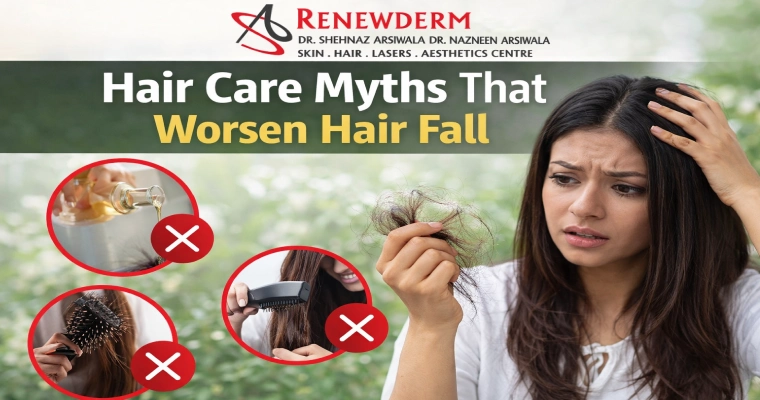
Are you losing more hair after oiling, washing, or changing shampoos? You’re not alone. Hair loss is a common issue affecting both older adults and younger individuals today. Hair care myths are everywhere. From family suggestions to online tips, many beliefs that seem logical are actually misleading. Unfortunately, several of these hair care myths do more harm than good.
According to every experienced hair specialist in Mumbai, incorrect practices are one of the biggest hidden causes of hair fall today. Let’s break down the most common myths and what dermatologists actually recommend.
Why Hair Care Myths Are a Serious Problem Today
Hair fall has increased due to stress, pollution, hormonal issues and lifestyle changes. But wrong hair practices often speed up the damage. A Mumbai best dermatologist frequently sees patients whose hair loss worsens because they trusted myths instead of medical advice. Understanding facts early can prevent long-term thinning and scalp problems.
Dr. Shehnaz, a leading dermatologist in mumbai, has frequently addressed common myths and offered evidence-based clarity.
Common Hair Care Myths That Increase Hair Fall
Myth 1 – More Oiling Means Stronger Hair
Truth: Excess oil clogs hair follicles and attracts dust. This leads to scalp inflammation and hair breakage. Dermatologists recommend oiling only once or twice a week and washing it off properly.
Myth 2 – Frequent Washing Causes Hair Fall
Truth: Skipping hair washes can do more harm than good. When you don’t wash your hair regularly, dirt, sweat, oil and pollution build up on the scalp. This buildup clogs hair follicles, irritates the scalp and weakens hair roots, which can increase hair fall over time.
According to a hair loss doctor in Mumbai, washing your hair 2–3 times a week helps keep the scalp clean and healthy. Use a mild shampoo that matches your scalp type: oily, dry, or sensitive, to maintain balance without stripping natural moisture. Regular, gentle cleansing supports stronger roots and healthier hair growth.
Myth 3 – Hair Fall Means You Should Stop Shampooing
Truth: Hair fall during washing is already-shed hair. Avoiding shampoo increases dandruff and fungal infections, which cause even more hair loss.
Myth 4 – Home Remedies Can Cure Hair Loss
Truth: Home remedies like onion juice, eggs and aloe vera may improve hair texture and add temporary shine, but they cannot stop or cure medical hair loss. Conditions caused by genetics, hormonal imbalance, nutritional deficiencies, or scalp disorders need proper diagnosis and targeted treatment.
Applying home remedies without understanding the root cause often delays effective care. A qualified dermatologist can identify why hair fall is happening and recommend evidence-based treatments that actually work.
Myth 5 – Cutting Hair Makes It Grow Faster
Truth: Hair growth starts at the scalp, not at the ends. Trimming your hair does not increase the speed of growth or make hair thicker. It only removes split or damaged ends, which can make hair look healthier and more even.
Regular trims help maintain neatness and reduce breakage, but they do not influence hair growth rate or hair density. True hair growth depends on scalp health, genetics, nutrition and proper treatment.
What Dermatologists in Mumbai Actually Recommend
Correct Scalp Diagnosis Comes First
Hair fall has many causes, such as stress, PCOS, thyroid issues, nutritional gaps, or genetics. A qualified hair specialist in Mumbai focuses on diagnosis before treatment.
Use Products Based on Scalp Type
An oily scalp, a dry scalp, a dandruff-prone scalp, or a sensitive scalp all need different care. Using random products based on online advice often worsens hair fall.
Medical Treatments Are Sometimes Necessary
When hair fall is excessive, dermatologists may recommend:
- Medicated lotions or serums
- PRP therapy
- Supplements after blood tests
- Lifestyle and diet correction
Early treatment prevents permanent hair thinning.
When Should You See a Hair Loss Specialist in Mumbai?
You should consult a dermatologist if:
- Hair fall lasts more than 6–8 weeks
- You notice widening of the hair part
- There is excessive shedding while combing
- You have dandruff with itching or redness
Ignoring early signs often leads to advanced hair loss that becomes harder to treat.
Final Thoughts
Beliefs and myths about hair loss are common, but separating fact from fiction plays a key role in effective treatment. Through her clinical experience and educational blogs, Dr. Shehnaz highlights what truly works for hair restoration. Science-backed solutions, personalized care and consistent treatment deliver far better results than following myths.
If you notice hair thinning or hair loss, avoid relying on hearsay or online trends. Seek expert, dermatologist-led guidance early. At Renewderm Skin Hair Laser Aesthetics Centre, Dr. Shehnaz focuses on evidence-based diagnosis, tailored treatments and long-term scalp health helping you move past myths and toward real, visible results.
FAQs
Q1. Is daily oiling good for hair fall?
No. Daily oiling can clog pores and increase scalp problems. Limit oiling to once or twice a week.
Q2. Can stress really cause hair fall?
Yes. Stress can push hair into the shedding phase, leading to sudden hair loss.
Q3. Which doctor should I consult for hair fall?
You should consult a dermatologist or hair loss specialist, not a general physician.
Q4. How long does hair fall treatment take to show results?
Visible improvement usually takes 3-4 months with proper treatment and consistency.