
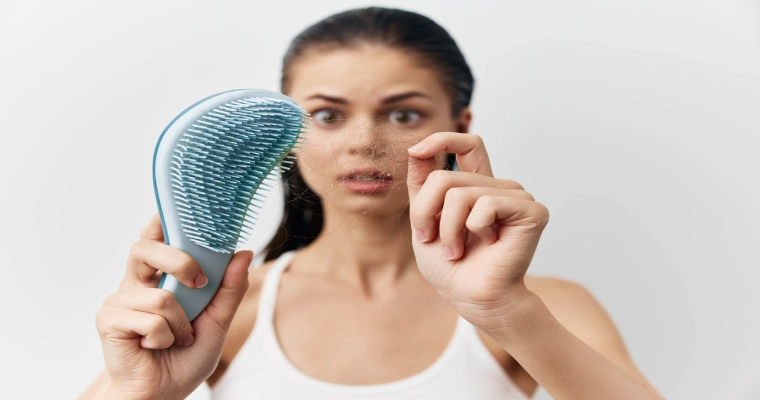
Hair loss isn’t just a cosmetic concern; it often reflects what’s happening inside the body. While genetics play a big role, many people experience non-genetic hair loss caused by internal health issues. Factors like hormonal imbalance, nutritional deficiencies, stress and medical conditions can trigger unexpected hair fall. Recognizing these internal causes early makes treatment more effective. With the right diagnosis, you can protect both your scalp and overall health.
If you’re looking for expert Hair Treatment in Mumbai, understanding the real triggers helps you choose the right solution faster.
What Is Non-Genetic Hair Loss?
Non-genetic hair loss happens when factors beyond family history affect hair growth. Unlike pattern baldness that passes down through generations, this type of hair loss develops from internal conditions, lifestyle habits, or overall health issues. Common examples include telogen effluvium (stress or illness-related shedding), alopecia areata (an autoimmune disorder that attacks hair follicles) and diffuse thinning (overall reduction in hair density).
Hormonal Imbalances
Hormones play a major role in hair growth. Conditions like thyroid disorders, PCOS (Polycystic Ovary Syndrome) and menopause can disrupt the natural hair cycle, causing excessive shedding. Even mild hormonal changes can trigger noticeable hair thinning.
Nutritional Deficiencies
Hair health depends heavily on proper nutrition. Lack of iron, vitamin D, zinc, or biotin can weaken hair follicles, resulting in brittle strands and hair fall. Many people fail to connect a poor diet to hair loss, making professional guidance crucial.
Stress and Mental Health
Chronic stress not only affects mood but also impacts hair growth. Conditions like telogen effluvium are directly linked to prolonged stress, which pushes hair follicles into a resting phase, leading to sudden shedding.
Medical Conditions and Medications
Autoimmune disorders, chronic illnesses and certain medications (like chemotherapy, blood thinners, or antidepressants) can contribute to non-genetic hair loss causes. Consulting a Hair Specialist in Mumbai can help identify these triggers and suggest tailored treatment.
How Experts Diagnose Hair Loss
A professional hair evaluation goes beyond examining the scalp. Specialists may conduct:
- Blood tests to check hormones and nutrient levels
- Scalp analysis using trichoscopy
- Lifestyle and medical history assessment
Such a comprehensive diagnosis ensures the right treatment plan, whether it’s PRP therapy, hair growth medications, or nutritional guidance.
Effective Solutions for Non-Genetic Hair Loss:
- Medical Treatments: Minoxidil, finasteride and other hair growth medications
- PRP Therapy: Stimulates hair follicles for healthier growth
- Diet and Supplements: Incorporating iron, zinc, vitamin D and biotin
- Stress Management: Yoga, meditation and counseling
- Advanced Hair Treatments in Mumbai: Consulting reputed Hair Care Clinics in Mumbai ensures customized care
When to See a Dermatologist
Visit a skin and hair specialist if:
- You notice sudden or patchy hair loss.
- Hair thinning continues for more than three months.
- Your scalp feels itchy, inflamed, or painful.
Early consultation saves time, prevents further loss and gives better long-term results.
Final Thoughts
Non-genetic hair loss affects more people than you might expect and it often points to hidden health concerns. When you address internal triggers like hormonal shifts, stress, or nutritional gaps, you not only restore healthier hair but also improve your overall well-being. The right treatment makes all the difference and timely care helps prevent further damage.
At Renewderm Skin Hair Laser Aesthetics Centre, you can explore advanced solutions like PRP Treatment in Mumbai to strengthen your hair and regain your confidence.
FAQs
Q1: Can stress really cause hair loss?
Yes, prolonged stress can push hair follicles into the resting phase, causing temporary but noticeable shedding.
Q2: How long does it take to see results from hair treatments?
It varies by treatment; PRP therapy may show improvement in 3–6 months, while medications require consistent use for several months.
Q3: Is non-genetic hair loss reversible?
Most non-genetic hair loss can be managed or reversed if the underlying cause is treated promptly.