
Have you ever wondered if PRP treatment is the right skincare solution for your unique skin type? Whether you have oily, dry, or sensitive skin, PRP (Platelet-Rich Plasma) is becoming a go-to therapy among PRP clinics in Mumbai. But does it deliver the same results for everyone? The truth is, your skin type plays a key role in how well PRP treatment in Mumbai works. In this blog, we bring you the expert opinions of top dermatologists in Mumbai to help you understand how your skin type reacts to PRP — and whether it’s the right choice for your skin goals.
What is PRP Treatment and How Does It Work?
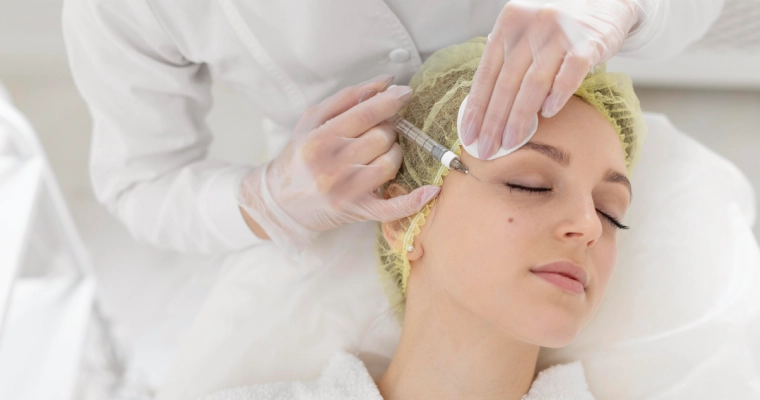
PRP treatment starts by taking a small amount of your blood and placing it in a machine called a centrifuge. This machine spins the blood to separate the platelet-rich plasma (PRP) from the rest. Then, the doctor applies or injects the PRP into your skin using tiny needles. This plasma is packed with natural growth factors that help boost collagen, repair skin damage and refresh your overall look.
People often choose PRP to:
- Fade acne scars
- Brighten tired, dull-looking skin
- Smooth out rough texture and improve skin bounce
- Speed up healing after laser or dermal procedures
However, how well PRP works can depend on your skin type.
Does PRP Suit Every Skin Type?
PRP is safe for most skin types, but the results can vary depending on your specific skin concerns. Dermatologists agree that while PRP is a versatile treatment, it works differently for oily, dry and sensitive skin. Here’s a closer look at how it affects each type.
PRP for Oily Skin
People with oily skin, especially in humid regions like Mumbai, often deal with enlarged pores, acne and uneven texture. PRP can be a great option in such cases.
What dermatologists say:
PRP can significantly improve acne scars and regulate oil production over time. They advise maintaining a strict skincare routine before and after treatment. Daily cleansing and avoiding heavy, pore-clogging products are essential. However, it’s essential to pair the treatment with proper cleansing and follow-up care to avoid breakouts.
PRP for Dry or Sensitive Skin
Dry or sensitive skin types are prone to redness, irritation and flaking. The gentle nature of PRP makes it a good match for these skin types. Since PRP is made from your own blood, it’s free of harsh chemicals and unlikely to cause allergic reactions.
What dermatologists say:
PRP is ideal for dry skin as it boosts hydration at the cellular level and stimulates collagen without causing further dryness. Sensitive skin types benefit from the anti-inflammatory properties of PRP, reducing redness and irritation over time.
Combination Skin: A Balanced Approach
If you have combination skin, oily in some areas and dry in others, PRP can still work effectively. Dermatologists suggest focusing the treatment on areas that need the most help, such as acne scars, dull patches, or fine lines. With a customised approach, PRP can improve the overall balance and health of your skin.
Who Should Avoid PRP?
PRP may not be suitable for everyone. People with certain skin conditions like active acne, eczema, rosacea, or blood disorders should consult a dermatologist before beginning treatment. It’s also important to avoid PRP if you’re pregnant or have any ongoing infections.
A proper skin consultation helps determine whether PRP is the right option for your skin goals.
Expert Tips to Maximise Results
Mumbai’s top dermatologists recommend combining PRP with hydrating serums or hyaluronic acid-based products for better results. These products lock in moisture and support the healing process. Also, avoid direct sunlight, harsh scrubs and chemical-based skincare for a few days after treatment to protect your skin.
Consistency matters. Most people see the best results after 3 to 4 sessions spaced about a month apart.
Is PRP Right for Your Skin?
PRP treatment works well for many people, but it’s important to make sure it’s the right fit for your skin. Start by visiting a qualified dermatologist for a full skin consultation. They can assess your skin type, current concerns and overall health to see if PRP is a good match. If you’re dealing with active acne, eczema, or rosacea, your doctor might suggest treating those conditions first before starting PRP.
For best results, many experts recommend pairing PRP with hydrating products like moisturising serums or hyaluronic acid-based creams. These help your skin heal faster and enhance the effects of the treatment. Taking these steps can improve both your experience and the outcome.
Final thoughts
PRP is a promising, non-invasive treatment suitable for all skin types – if done under expert care. Whether you have oily, dry, or sensitive skin, choosing the right clinic with experienced dermatologists is the key to safe and effective results.
PRP is a promising, non-invasive treatment that can work well for all skin types when performed by trained professionals. Whether your skin is oily, dry, or sensitive, the key to safe and effective results lies in choosing a trusted clinic with experienced dermatologists. If you’re exploring PRP clinics in Mumbai, consider Renewderm Skin Hair Laser Aesthetics Centre. They offer personalised treatment plans tailored to your skin’s unique needs, ensuring you get the best possible care and visible results.
FAQs:
Q1. Which skin type benefits the most from PRP?
Ans: Oily and acne-prone skin types tend to see faster results, especially for scarring and texture improvement.
Q2. Are there any side effects of skin PRP in Mumbai’s humid climate?
Ans: Mild redness and swelling can occur but subside within 24–48 hours. In humid climates, follow-up care is crucial to prevent breakouts.
Q3: How long does it take to see results from PRP?
Ans: Most people notice improvements in 3–4 weeks after the first session, with more visible changes after multiple treatments.